
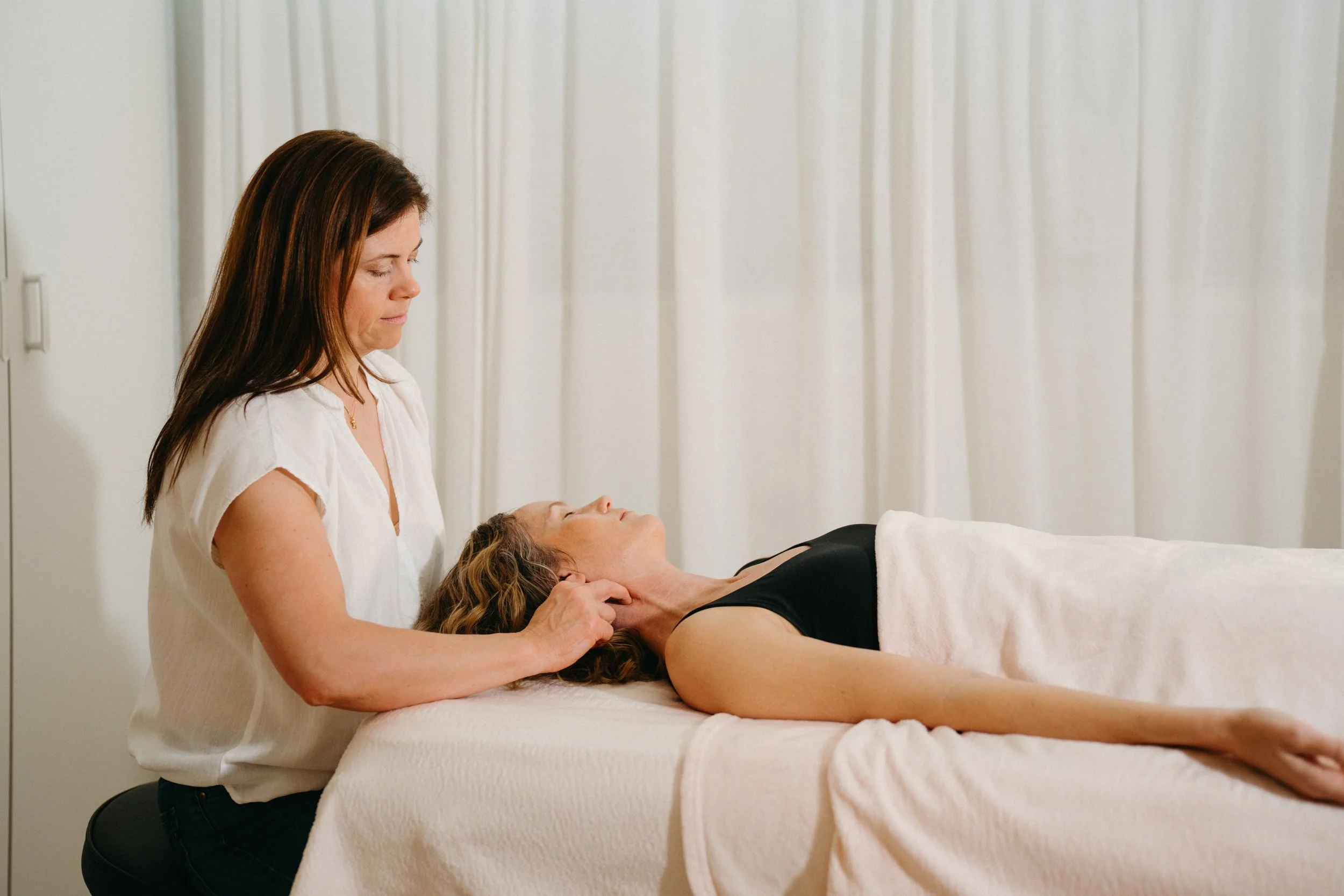
Somatic Nervous System & Fascia Sessions in Gothenburg and Online
Helping you feel less stuck, more regulated, and more like yourself through somatic nervous system and fascia work.
Most of your days feel like a blur of responsibilities before you’ve even had a chance to feel like you. You’re up, you’re moving, you’re holding everything together, but there’s a quiet sense that the version of you that used to feel more alive, more active, more yourself is harder to access.
For some, this connects to deeper somatic patterns in the nervous system, often linked to long-term stress, burnout, or unresolved trauma responses held in the body.
The things you used to do without thinking, going for a run, seeing friends, feeling energised in your body… don’t feel as easy anymore. Not because you don’t care, but because somewhere along the way, you lost yourself and don't quite know how to find your way back.
And your body is carrying it. The tight shoulders, the back pain that lingers, the sense that you’re never fully comfortable, no matter how much you rest. It’s become normal, even though you know it shouldn’t feel this way.
There’s also this constant background pressure of just keeping up with life - work, children, family, and very little space left for anything that feels like yours.
So by the end of the day, you’re totally exhausted. Not just tired, but heavy. You try to switch off, but even rest doesn’t really feel like rest anymore.
And underneath all of that is something quieter, but harder to ignore. A sense that life should feel more like something you enjoy, not something you’re just getting through.
And a question that keeps showing up in different forms: “I used to feel more like myself… what happened to that version of me?”
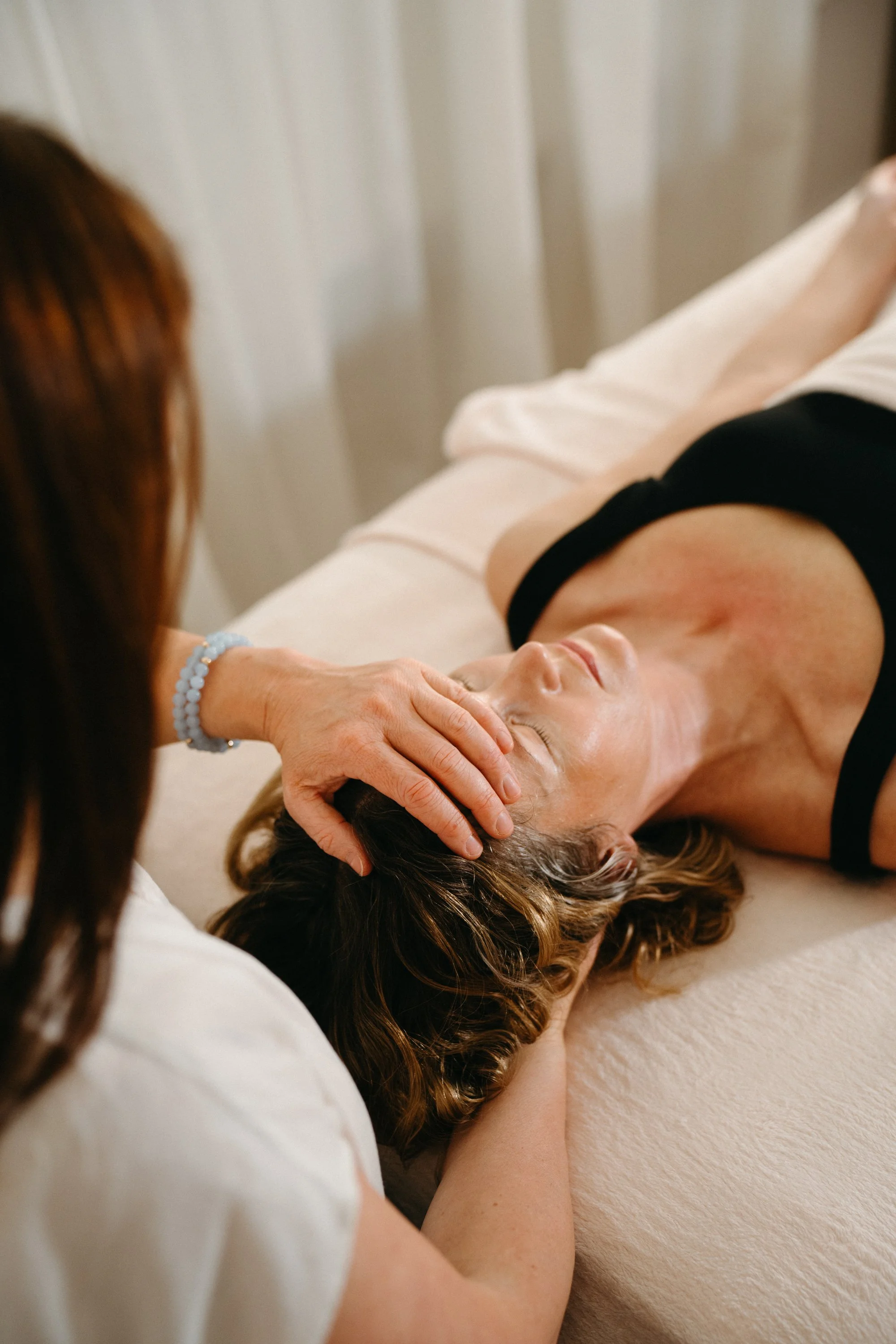
You may have already tried to fix this with massage, talk therapy, physio, exercise programs, rest, mindset work, and while some of it might have helped temporarily, nothing has really changed the underlying pattern for long.
That’s because the issue isn’t just in the muscles or just in the mind.
It’s how your body has learned to stay in a constant state of holding, physically and emotionally, while life keeps asking more of you.
These are often somatic nervous system patterns, ways the body adapts to ongoing stress, pressure, or trauma by staying in protection.
So even when you try to rest, your system doesn’t fully come out of that state.
This is where a different kind of work becomes needed.
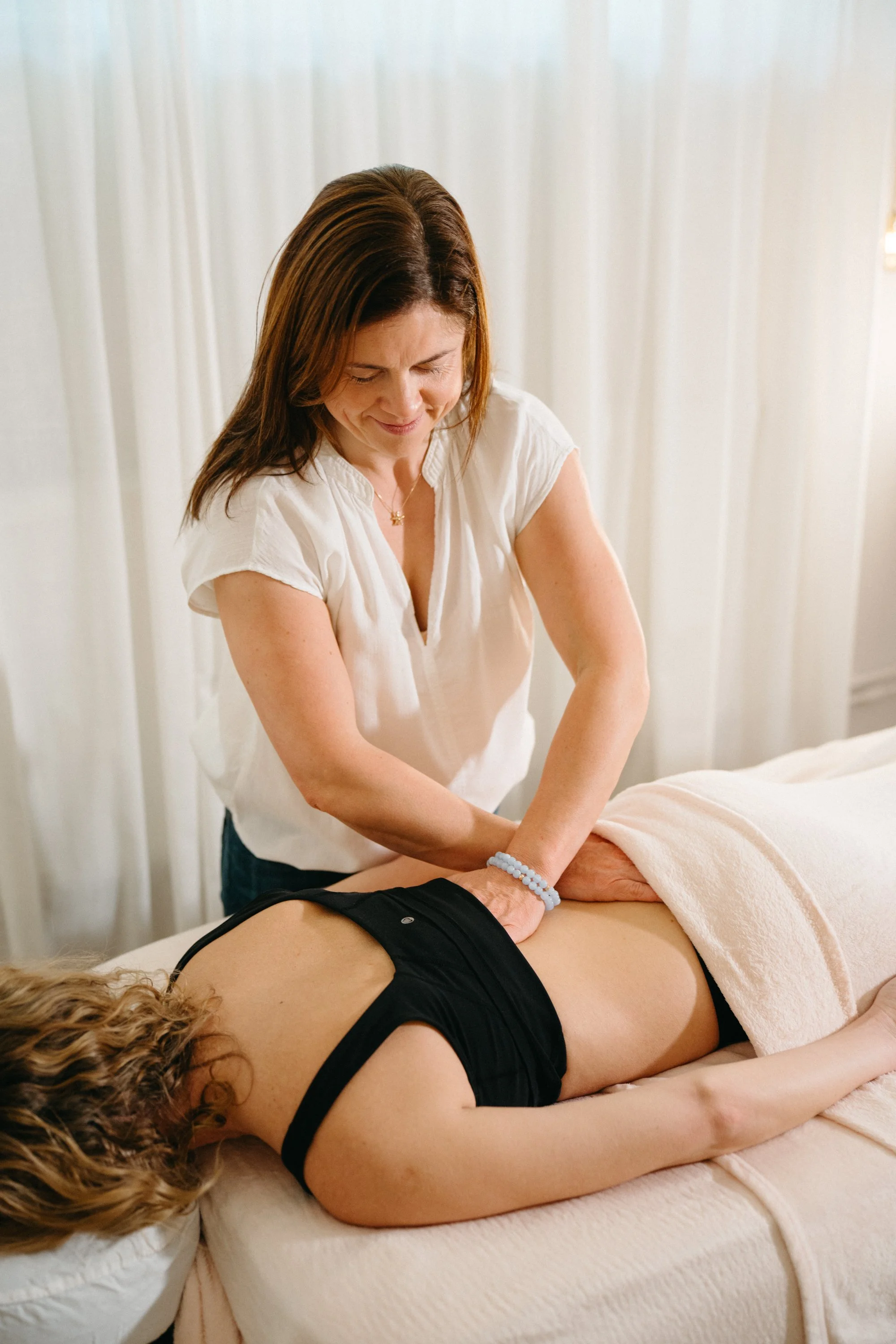
Introducing The NeuroFascia ApproachA somatic nervous system approach to fascia and trauma-informed bodywork.
The NeuroFascia Approach works with what’s actually driving this pattern, the way your nervous system and fascia have adapted to keep you going under long-term stress and overload.
It draws on somatic therapy principles, nervous system regulation, and fascia work to support change at a deeper physiological level.
Instead of pushing the body to “release” or trying to override how you feel, we work with the system as it is, helping it gradually recognise that it doesn’t need to stay in that constant state of holding anymore.
Because when your system starts to feel safe enough, it no longer needs to brace in the same way.
And that’s often when people notice something quite simple, but significant: they’re not fighting their body anymore.
It starts to feel more like coming back into it.

—
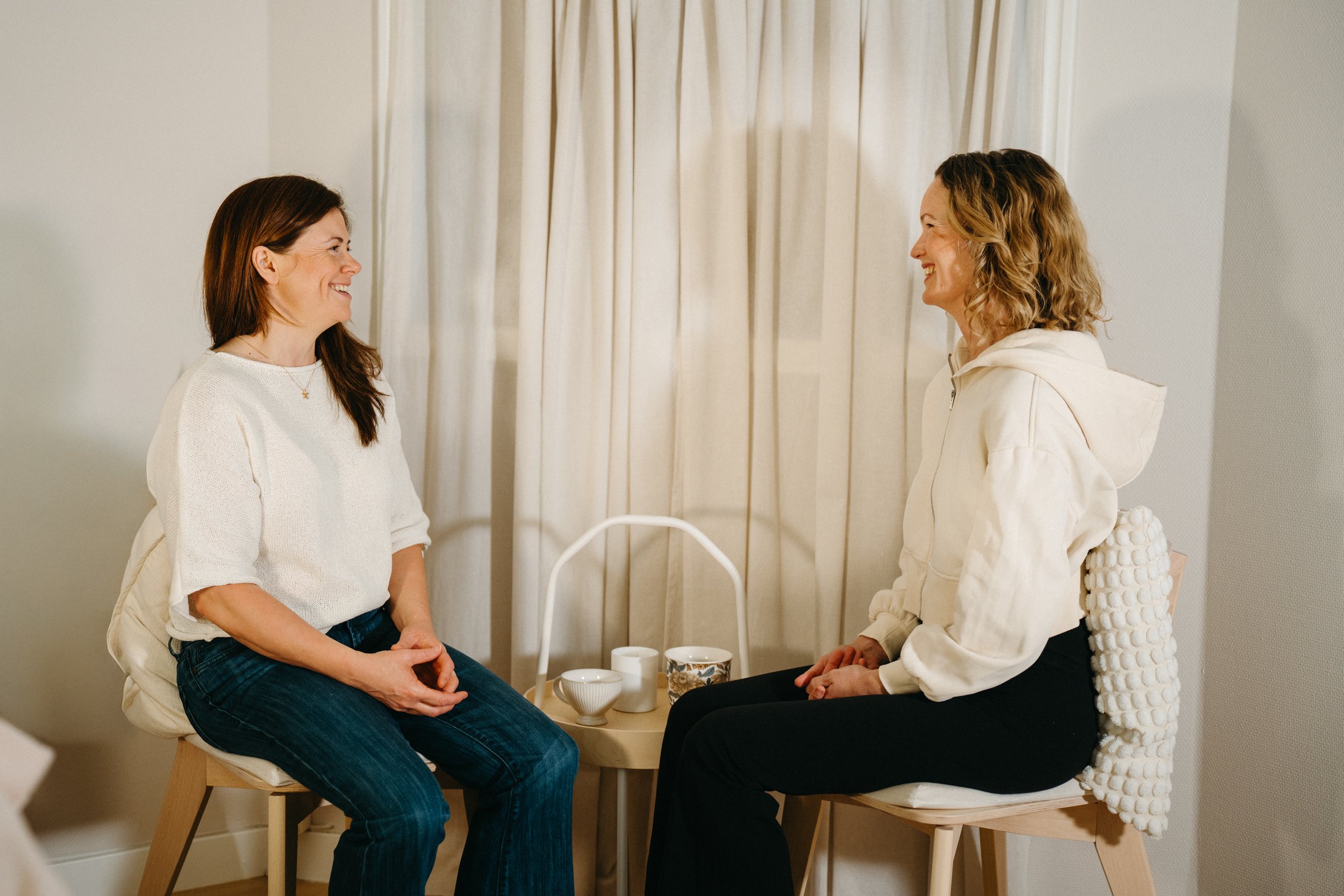
Book a private 1:1 session
— Book a private 1:1 session

50-minute 1:1 session
A focused session to work with your current pain, tension, or nervous system state. This is a steady, ongoing way of supporting your system over time. Sessions can be booked online or in person in Gothenburg.
This is for you if:
You want consistent support without it feeling overwhelming or too intensive
You’re dealing with ongoing tension, stress, or fatigue that builds over time
You prefer a slower, step-by-step approach that fits into a busy life
You want help maintaining a sense of regulation and ease in your body
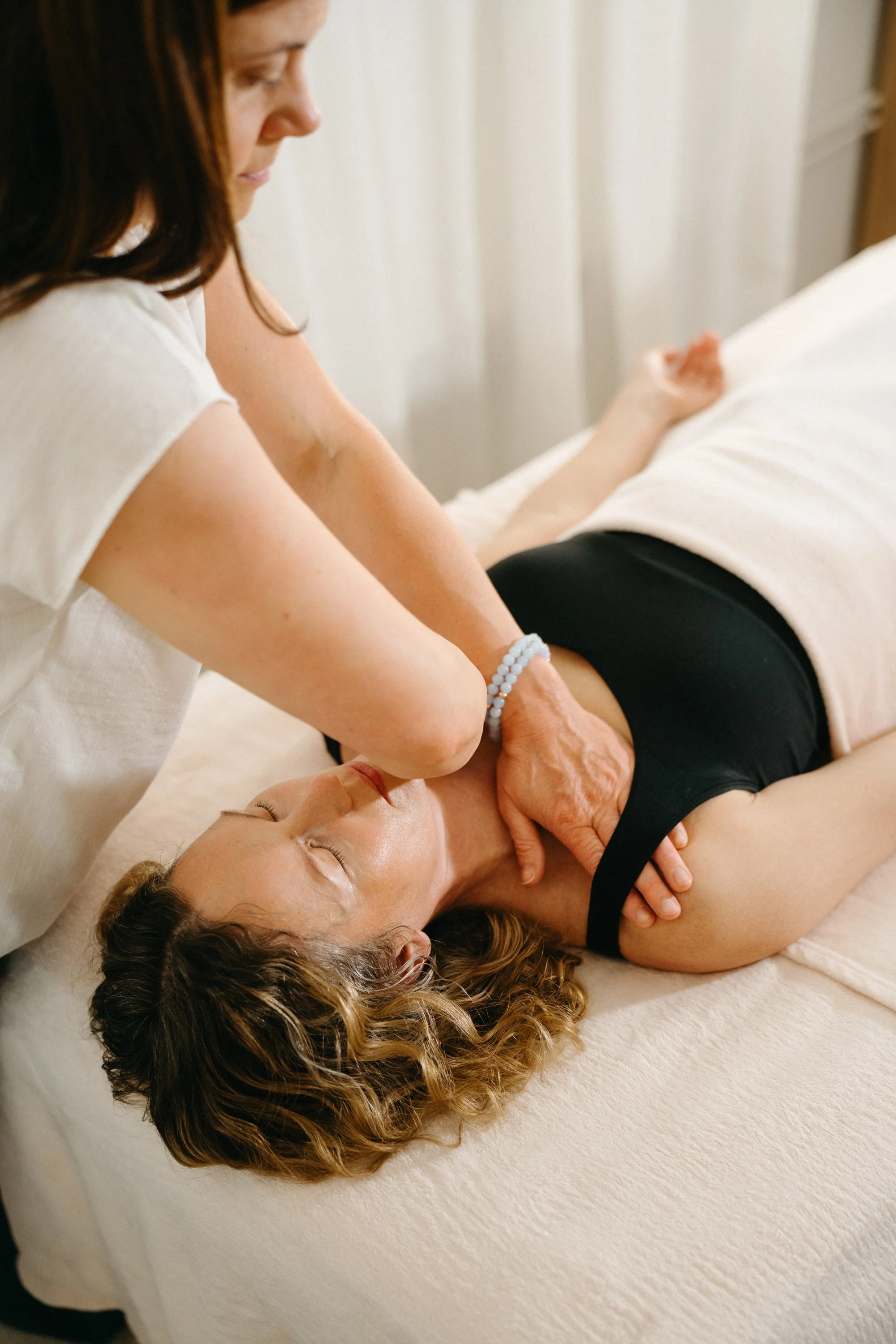
100-minute 1:1 session
A deeper, more spacious session where we can work more fully with the body’s patterns and allow more time for your system to settle and respond. Sessions can be booked online or in person in Gothenburg.
This is for you if:
You feel like your body holds a lot and needs more time to unwind
You’re dealing with deeper or long-standing pain, burnout, or overwhelm
You want a more immersive experience where you don’t feel rushed
You’re ready for more profound shifts in how your body feels and responds
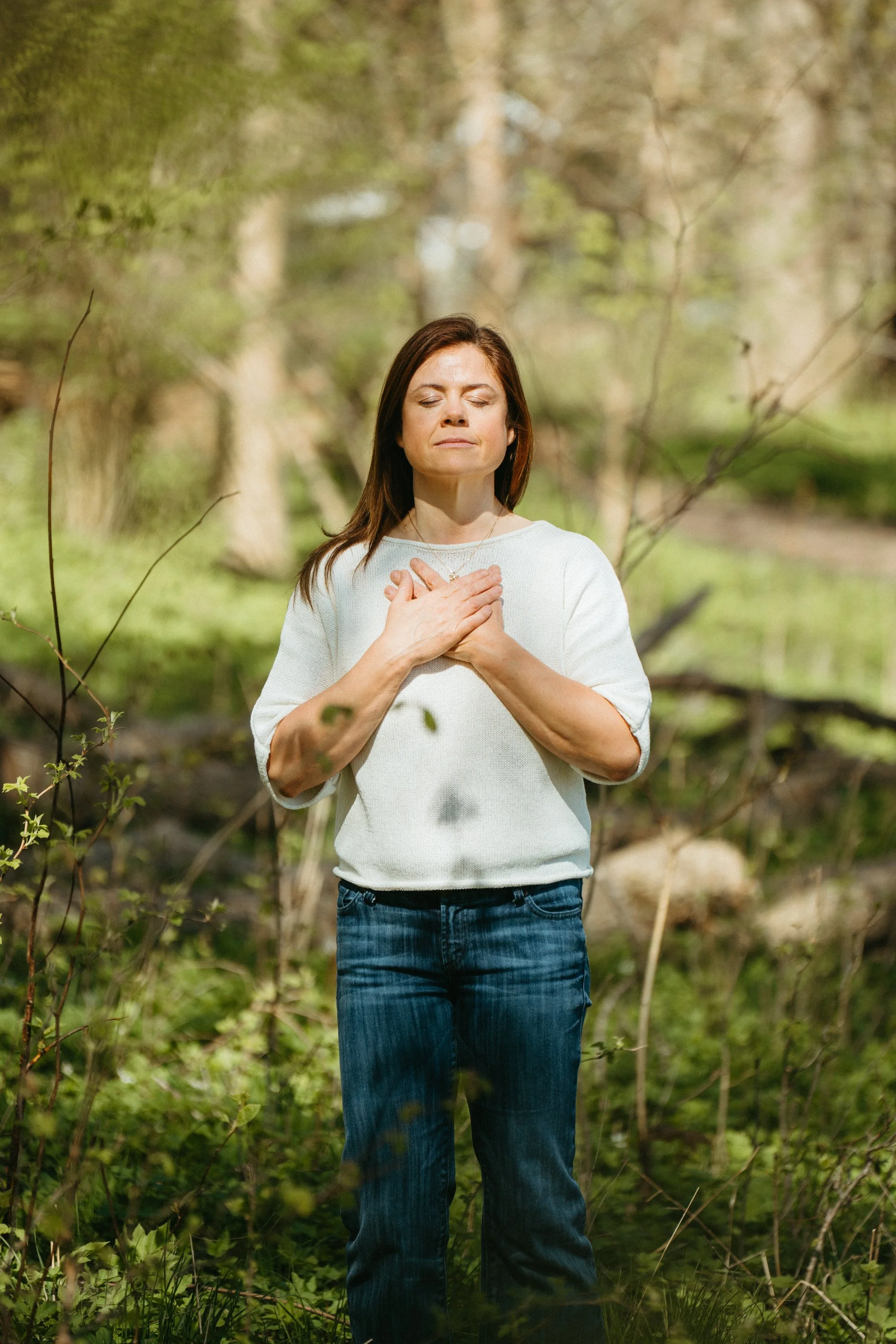
Self-paced support (online courses)
Guided, at-home learning that supports you in understanding your body and nervous system, and gives you tools to work with your own regulation between sessions or on its own.
This is for you if:
You want to understand your body and nervous system more deeply
You like learning at your own pace, in your own time
You want tools to support yourself between sessions or independently
You’re not quite ready for 1:1 work but still want meaningful change
Meet Deirdre, founder of The NeuroFascia Approach
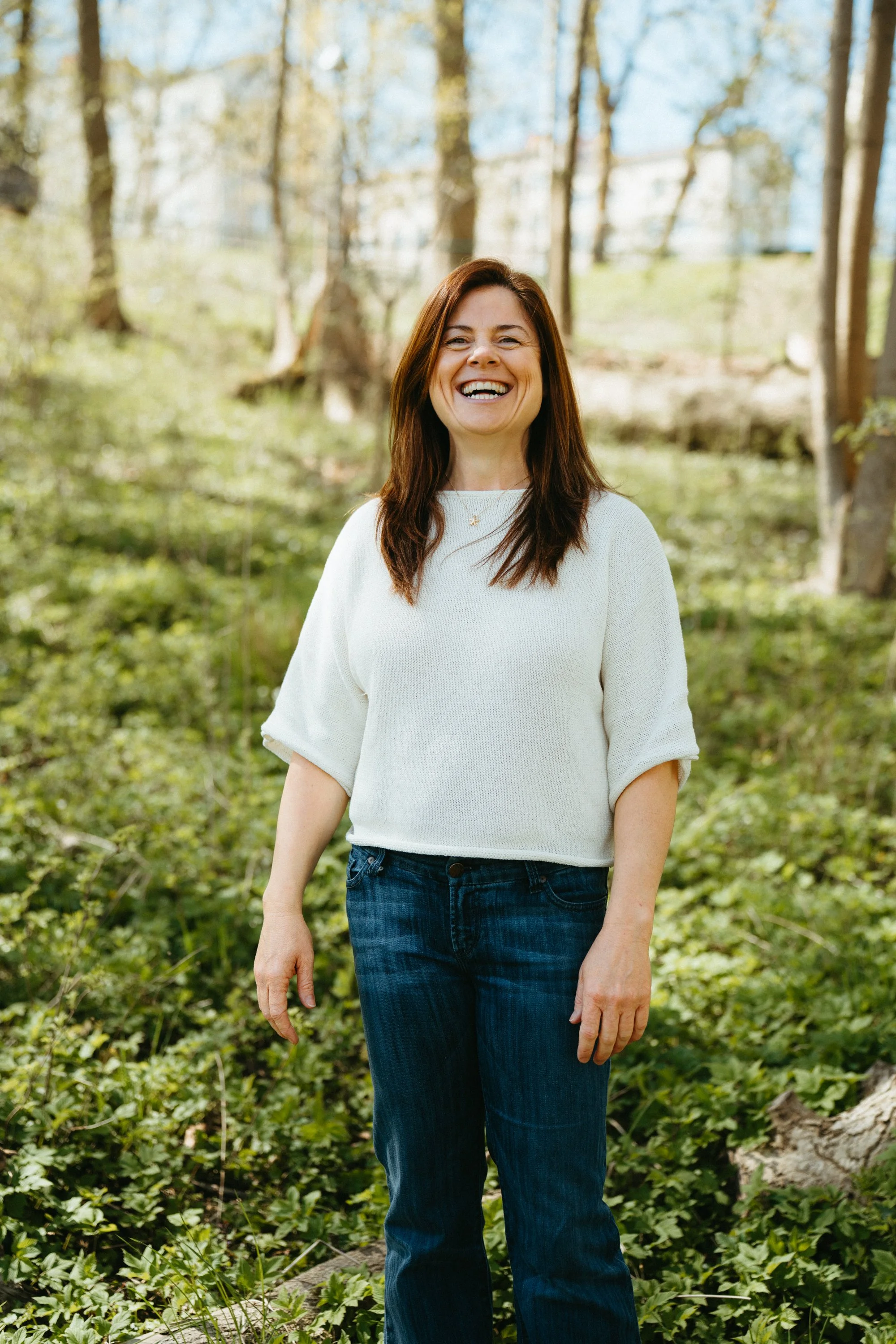
I work with people who feel like their body has taken the weight of everything, stress, overwhelm, long-term tension, and that constant sense of being “on” even when nothing is happening. Over time, that shows up as pain, fatigue, and a feeling of being disconnected from themselves and the life they used to have access to.
My work combines fascia release, nervous system regulation, somatic techniques, and relational presence to help the body shift out of survival patterns and back into ease, capacity, and responsiveness. Rather than forcing change, we create the conditions where the body can start to let go of what it no longer needs to hold.
This approach has been shaped by years of clinical work and continued study in both fascia and nervous system therapy, including trauma-informed approaches, allowing me to support clients in a way that goes beyond symptom relief and into deeper, lasting change in how they feel in their body and in their life.
Frequently Asked Questions
-
The NeuroFascia Approach is a gentle, nervous-system-led form of dialoguing and bodywork that works with both the fascia and nervous system to help the body release tension, protective holding patterns, and overwhelm without force.
The online trainings are professional trainings designed for those who work with clients and want to gain a deeper understanding of the nervous system and techniques to implement to support their clients.
The full NeuroFascia Approach certification which includes the hands-on trainings is for professionals who work with clients and who have a prior basic training in anatomy and physiology.
-
People often seek this work for:
chronic pain and tension
stress and burnout
anxiety and nervous system overwhelm
recurring tightness that keeps returning
feeling stuck, braced, or shut down in the body
difficulty relaxing or fully resting
persistent stress-related symptoms
issues relating to past traumas
-
The NeuroFascia Approach does not focus only on muscles or symptoms. We work with the whole system—including the nervous system, protective patterns, breath, fascia, posture, and the therapeutic relationship itself.
Sessions are slow, sustained, responsive, and non-forcing.
-
Sessions typically begin by helping you settle, orient, and arrive in your body. We discuss what your goals are and then make a plan for the way forward.
Treatment may include:
nervous system dialoguing
sustained fascial release
gentle hands-on work
nervous system regulation support
breath awareness
movement or awareness-based guidance
pacing and grounding support
giving you skills and tools to help yourself in between sessions
Sessions are collaborative and responsive to your nervous system and capacity.
-
There is an intake form where I ask you to give a personal history of relevant information.
However when in the sessions, you do not need to go into detail of what has happened in the past. You do not need to recount all the details or relive past experiences.
Instead we work with what is happening in your body.
-
Sometimes emotions, memories, or physical sensations may arise naturally during treatment.
However, the goal is not catharsis or overwhelm. The work is carefully paced to support regulation, integration, and nervous system capacity building rather than dramatic release experiences.
-
Non-forcing means we do not aggressively push through resistance or try to overpower the body’s protective responses.
Instead, we work with the body gradually and respectfully, at a pace the nervous system can integrate.
-
The NeuroFascia Approach is specifically designed to work gently with nervous system overwhelm and protective patterns.
Sessions are carefully paced and adjusted based on your nervous system’s capacity in the moment.
-
Not at all. Many people come to this work precisely because relaxing feels difficult or unfamiliar.
-
This work is not about quick fixes or chasing symptoms.
Some people experience meaningful changes quickly, while others benefit from a gradual process of building regulation, flexibility, and capacity over time.
-
Comfortable clothing that allows you to relax and move easily is recommended.
-
You may choose a 50 or 100 minute session.
-
Appointments can be booked through the website.
-
Appointments cancelled less than 24 hours in advance will be charged in full.
However there is no cancellation fee for cancellation due to illness. Please do not come to your appointment if you are unwell. Please call or email to reschedule.
-
The NeuroFascia Approach is trauma-informed approach and designed to help those who have experienced past trauma find relief from their symtoms.
This work is not psychotherapy or medical care and not a replacement for mental health care or where needed.